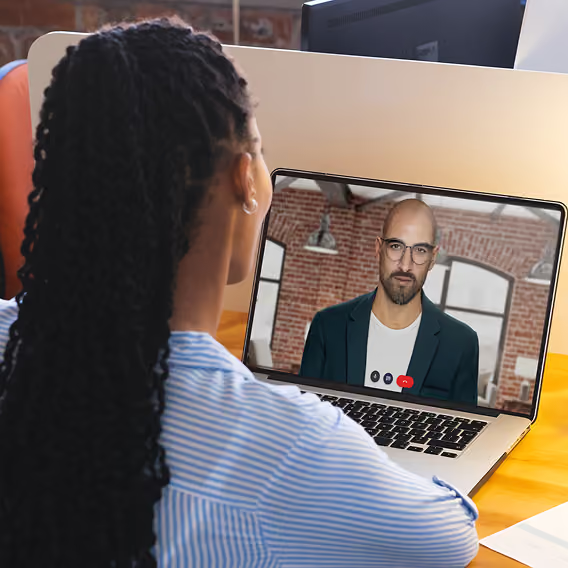
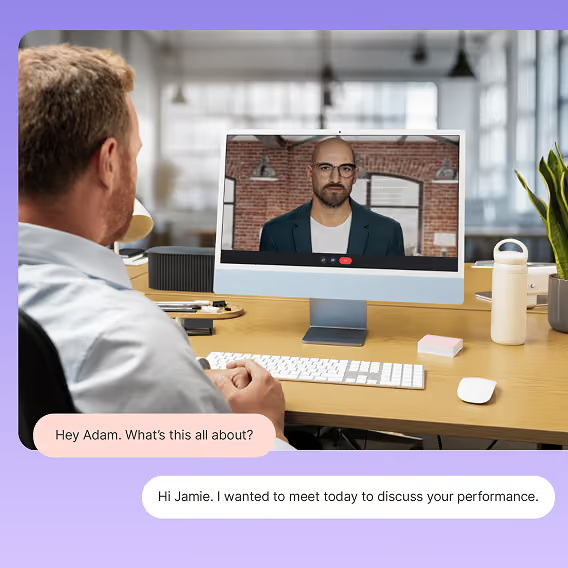
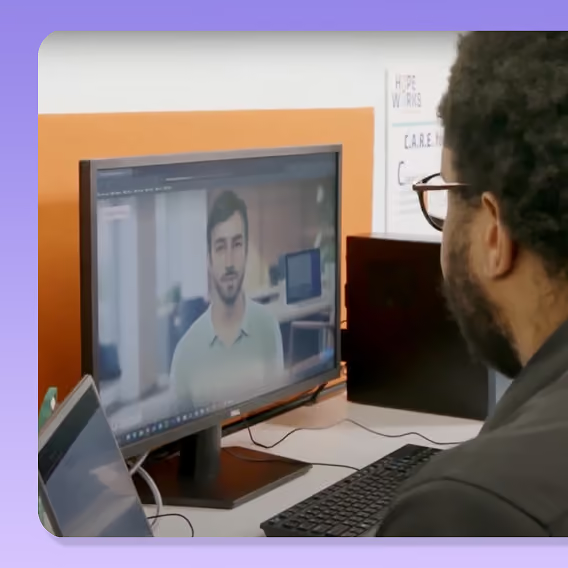
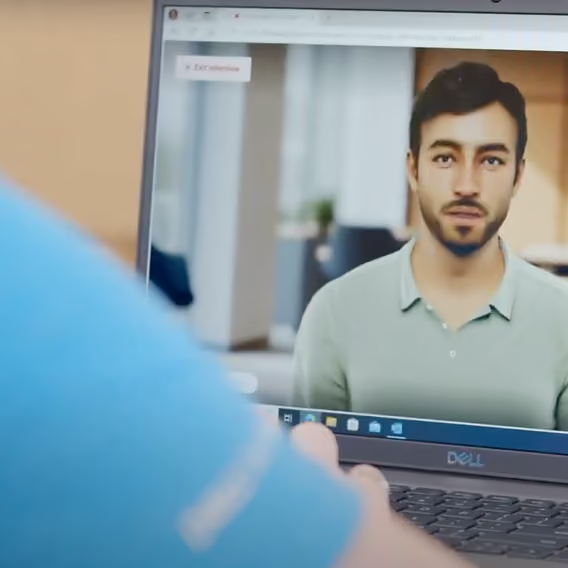
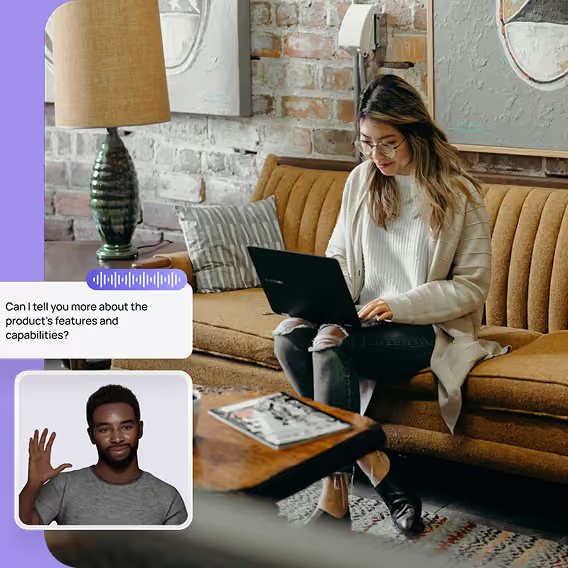
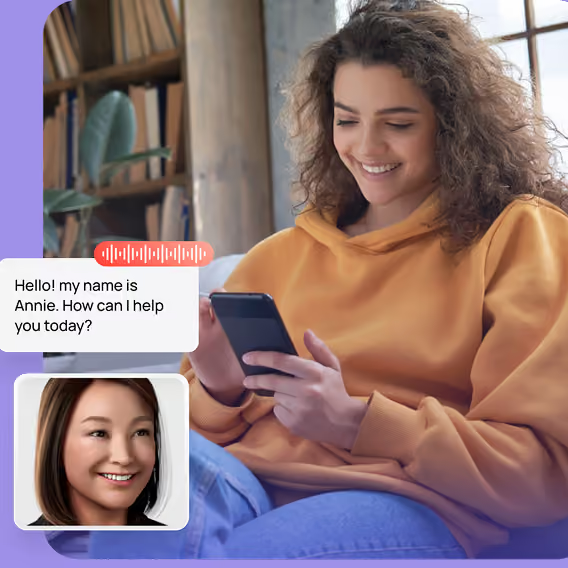
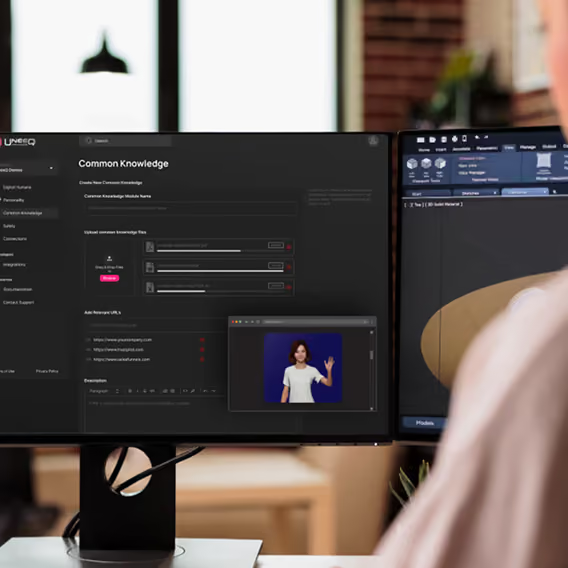
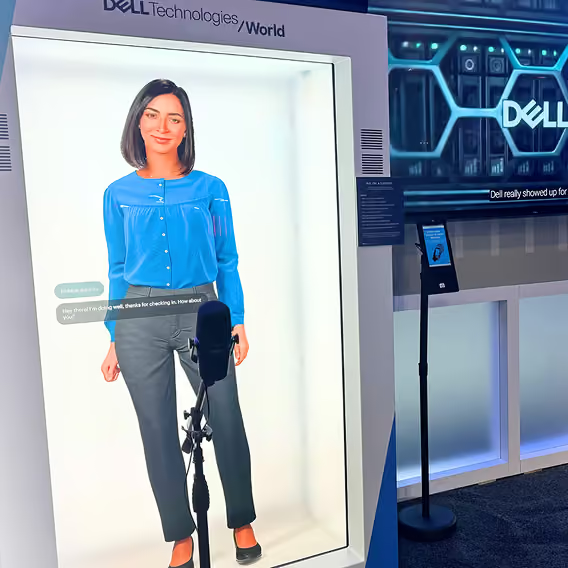
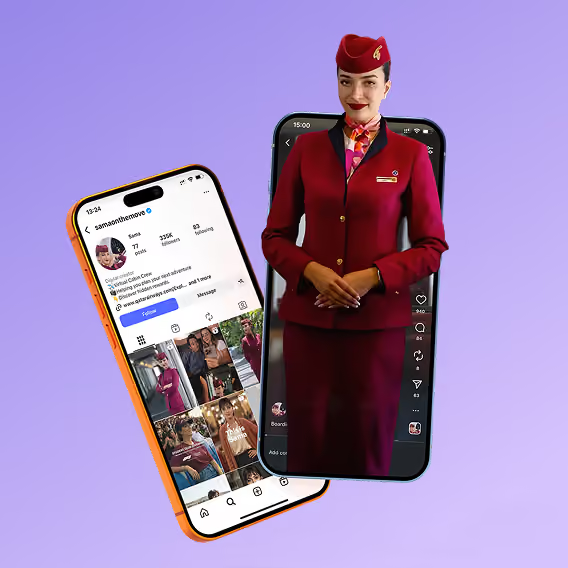
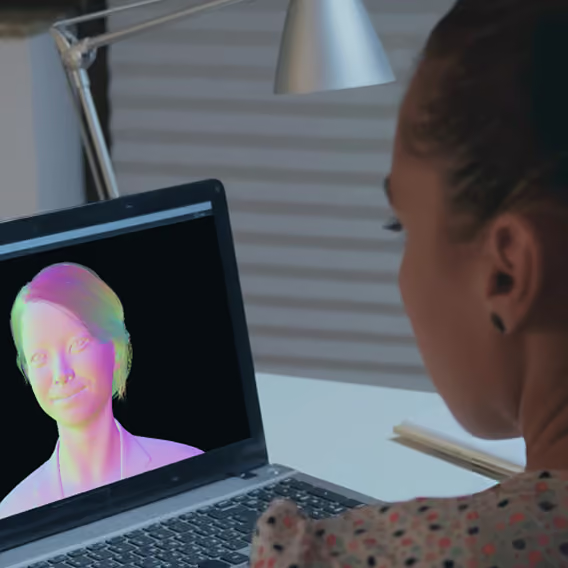
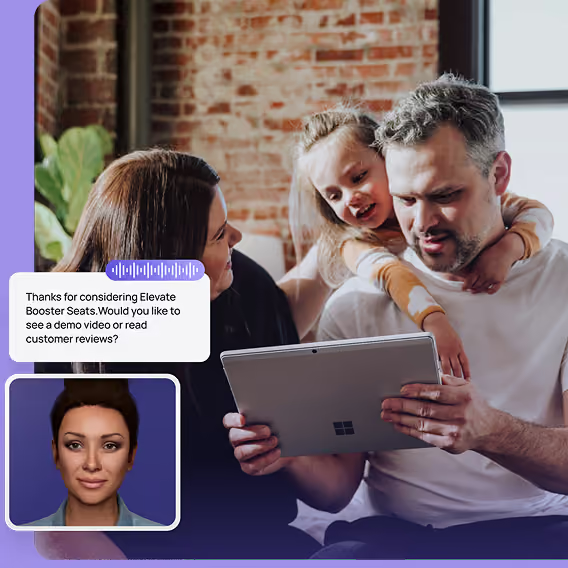
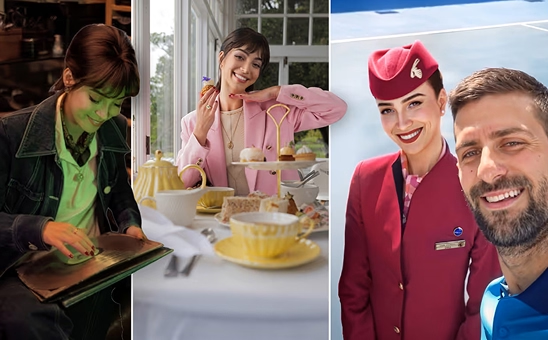
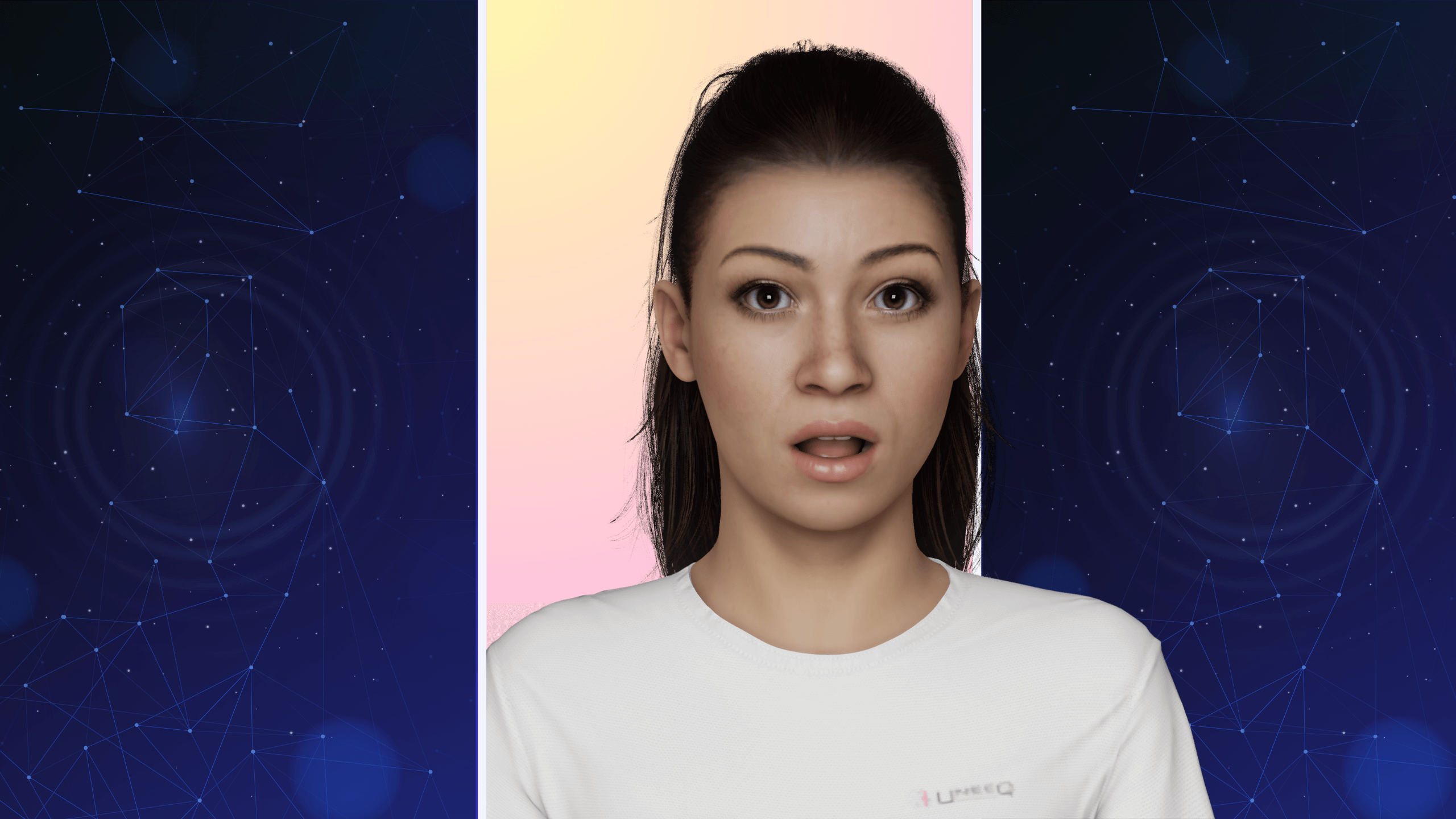
UNeeqの没入型トレーニングプラットフォーム エンタープライズスキル開発向けに特別に設計されています。営業チームは、本物の見込み客のように反応する AI バイヤーを対象に、ディスカバリーコールとオブジェクションハンドリングを実践しています。カスタマーサービスチームは、心理的に安全な環境で難しい会話をリハーサルします。リーダーは、業績評価、紛争解決、コーチングの会話を現実的に実践することでソフトスキルを身に付けます。また、学生は現実的な就職面接トレーニングを実践することで、職場への移行をよりスムーズに行うことができます。
Frequently Asked Questions: UneeQ vs. Soul Machines
In February 2026, Soul Machines entered voluntary receivership, with KPMG appointed as receivers. Their website states they are no longer able to provide normal services. KPMG is seeking a buyer for the business and its assets. Key customers including Air New Zealand, ANZ Bank, and Mercedes-Benz had already moved away from the platform before the receivership.
Yes. UneeQ and Soul Machines co-created the original Nadia digital human project and share deep roots in the industry. UneeQ offers a comprehensive Digital Human OS with proprietary Synanim™ animation technology, fully LLM-agnostic open architecture, on-premise deployment options, a dedicated Immersive Training Platform, and white-glove brand ambassador services through UneeQ Studio. UneeQ serves enterprise clients including Qatar Airways, Deutsche Telekom, Saudi Tourism Authority, Pearson Education, and Deloitte.
UneeQ’s open architecture is designed to integrate with your existing technology investments. While custom Soul Machines avatars may not transfer directly, UneeQ can get you back online quickly with stock digital humans while developing a bespoke digital human tailored to your brand. Existing conversational logic, chatbot integrations, CRM connections, and knowledge bases can typically be preserved through UneeQ’s Digital Human OS.
Key differences include full on-premise and hybrid deployment options (Soul Machines was primarily cloud-based), a dedicated Immersive Training Platform for enterprise skill development with analytics and LMS integration, white-glove brand ambassador services through UneeQ Studio, customer ownership of digital human assets with no vendor lock-in, MetaHuman compatibility, and a broader integration ecosystem including LMS, SCORM export, and multiple TTS providers.
Yes. UneeQ’s Digital Human OS supports cloud, hybrid, and fully on-premise deployment with geographic data residency options. This is a significant differentiator for enterprises in healthcare, financial services, government, and other regulated industries with strict data sovereignty requirements.
Yes. UneeQ is fully LLM-agnostic. You can use OpenAI, Anthropic, Google, your own fine-tuned models, or even connect your existing chatbot or NLP engine. You can switch providers as technology evolves without rebuilding your solution. UneeQ also integrates with your CRM, LMS, knowledge base, and analytics platforms.
It depends on the complexity. UneeQ offers stock digital humans that can be deployed in days for rapid replacement. Enhancing an existing Unreal Engine MetaHuman typically takes 4–6 weeks. A fully custom brand ambassador through UneeQ Studio is usually delivered in 3–6 months. Training platform scenarios launch in minutes.
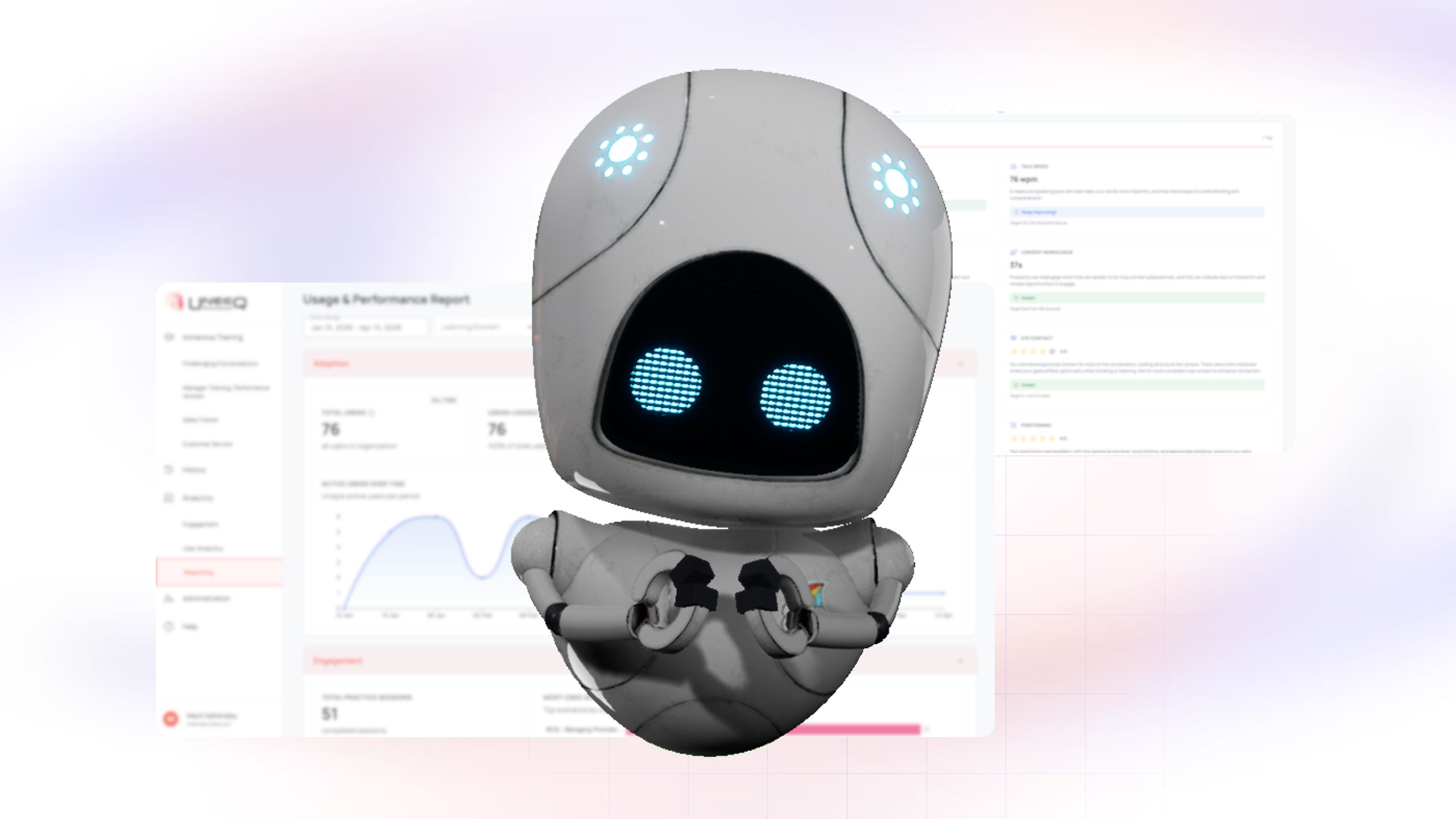
Yes. UneeQ has a dedicated Immersive Training Platform purpose-built for enterprise skill development. It supports sales training, customer service training, leadership development, and compliance training with features including real-time performance scorecards, coaching dashboards, team analytics, LMS integration, and SCORM export. Results include 95% training effectiveness, 2X better knowledge retention, and 3X higher engagement compared to traditional methods.
Yes. UneeQ customers own their digital human. Built on open standards, your custom avatar can be taken with you if you ever choose to leave the platform. There is no vendor lock-in. This is particularly relevant given the risks highlighted by Soul Machines’ receivership, where customers face uncertainty about the future of their digital human assets.
UneeQ uses proprietary Synanim™ animation technology with real-time CGI rendered in Unreal Engine, delivering 4K Ultra HD quality with sub-1 second response times. Soul Machines used a patented Digital Brain with neural network-based Biological AI. Both approaches are vey similar, with the end result being lifelike animation of AI characters.


.png)