
Training




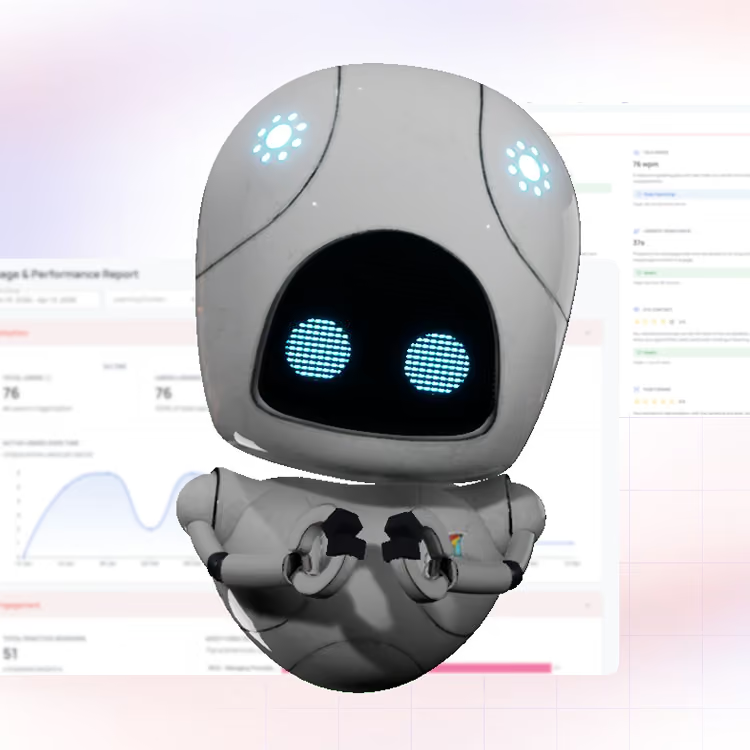



De-escalation training teaches service reps how to stay cool when customers aren’t. With UneeQ, they learn to stay calm and on-brand during their toughest conversations.
30-day free trial to practice de-escalation skills.

Customer
“I’ve been waiting 40 minutes. Get me your manager.”
You
How will you respond?
Trusted by teams at













7 weeks
faster to full productivity, so new staff handle tough moments sooner.
3x
higher engagement than text-based training, because an angry customer is hard to ignore.
90%
find roleplay less stressful, so staff can practice the worst moments without the fallout.


75%
of learners prefer learning by doing, and calming people down takes practice.
2x
better recall, so the right steps come back when voices rise.
94%
user recommendation score, so staff come back for another round.
71%
say traditional training feels check-the-box. An angry customer is harder to tune out.
“Students can engage in realistic, repeatable interactions that help them sharpen both their communication skills and their ability to adapt in the moment.”

Nate Sharp
Dean, Mays Business School, Texas A&M University

85%
of managers save time on coaching, with no need to play the angry customer themselves.
1,615%
ROI on manager time, so team leaders spend more time on the floor.
7 weeks
faster to full productivity, so new staff handle tough moments sooner.
90%
find roleplay less stressful, so staff can practice the worst moments without the fallout.
3x
higher engagement than text-based training, because an angry customer is hard to ignore.
94%
user recommendation score, so staff come back for another round.
75%
of learners prefer learning by doing, and calming people down takes practice.
“Students can engage in realistic, repeatable interactions that help them sharpen both their communication skills and their ability to adapt in the moment.”
Nate Sharp
Dean, Mays Business School, Texas A&M University
7 weeks
faster to full productivity, so new staff handle tough moments sooner.
71%
say traditional training feels check-the-box. An angry customer is harder to tune out.
94%
user recommendation score, so staff come back for another round.
3x
higher engagement than text-based training, because an angry customer is hard to ignore.
1,615%
ROI on manager time, so team leaders spend more time on the floor.
2x
better recall, so the right steps come back when voices rise.
85%
of managers save time on coaching, with no need to play the angry customer themselves.

“This launch is part of Pearson’s mission to harness the power of learning science and AI to close workplace skills gaps and help businesses unlock their employees’ full potential.”

Giovanni Giovannelli
Managing Director, Pearson

Pick a ready-made customer personality, or build your own. Add your policies, scripts, goals, and any other context from your playbook.
Staff respond out loud, face to face, while the digital human stays frustrated until an answer really helps.
The moment the session ends, AI coaching begins. Staff get a full debrief from their AI coach on what calmed things down and what fueled the fire, based on your service standards and rubric.
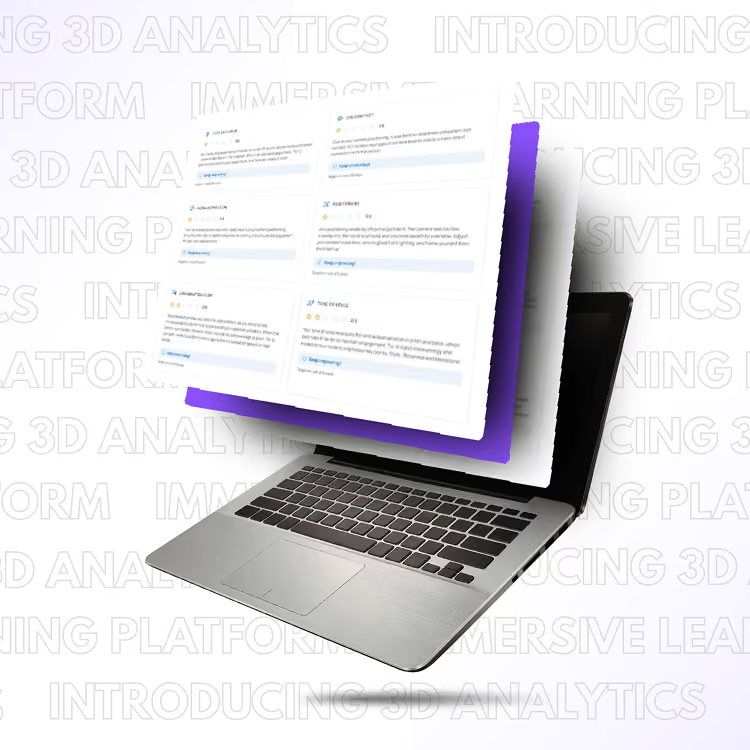
Scores and performance analytics show how each person handles a heated moment, from their words to their use of empathy. We roll it up into training progress you can take to the board.
Start a free 30-day trial and try the Escalated issue scenario (and many more) today. Or book a demo to see one built around your own policies and the customers your team finds it hard to keep their cool against.
See a scenario built around your own policies and your toughest customers. Get in touch and let us show you how our full roleplay training platform works.

De-escalation training for customer service teaches staff how to calm an upset customer and keep the conversation on track. It covers listening without getting defensive, naming the problem, setting clear expectations, and knowing when to bring in a manager. It’s verbal de-escalation for everyday service moments, rather than physical intervention or crisis response, and staff learn it best by practicing real conversations.
Practicing with a colleague who plays an angry customer feels awkward, and nobody stays angry for long. With UneeQ, staff practice face to face with a digital human customer who stays upset until they handle it well. They can rehearse the hardest moments as often as they need. It’s one part of our customer service training.
Yes. Add your refund rules, escalation steps, and the complaints your team hears most, and you can create a scenario around them within 15 minutes. AI coaching then gives feedback against your own service standards, so everyone handles a heated moment the same way.
Yes. The skills are the same anywhere customers get upset, but the situations change. Build scenarios around a double charge at a bank branch, a missing order in a store, or a long wait at a clinic front desk. You can create a scenario with the customer and their problem in minutes.
Yes. Healthcare teams can practice the conversations that heat up fastest, like a relative upset about a long wait, a billing dispute at reception, or an anxious patient waiting on results. Staff rehearse staying calm and showing empathy before it happens at the front desk or on the ward. See how we support healthcare teams.
Yes. Paramedics, police, firefighters, and call-takers can practice calming someone who is frightened, angry, or in distress. They rehearse the verbal side of de-escalation, like tone, pacing, and giving clear direction, so they stay composed under pressure. You can create a scenario around the situations your teams face most.
Every session is scored against your rubric, including how well staff showed empathy, how clearly they communicated, and whether they set next steps. Performance analytics adds how they came across, including tone of voice, eye contact, and body language, which matter most when someone is upset. Team leaders can see who’s ready for the floor and who needs another round.
Immersive Training Platform is priced per seat, per month, with all features included. You can start a free 30-day trial and try the ready-made Escalated issue scenario, or book a demo to see one built around your own policies and customers.